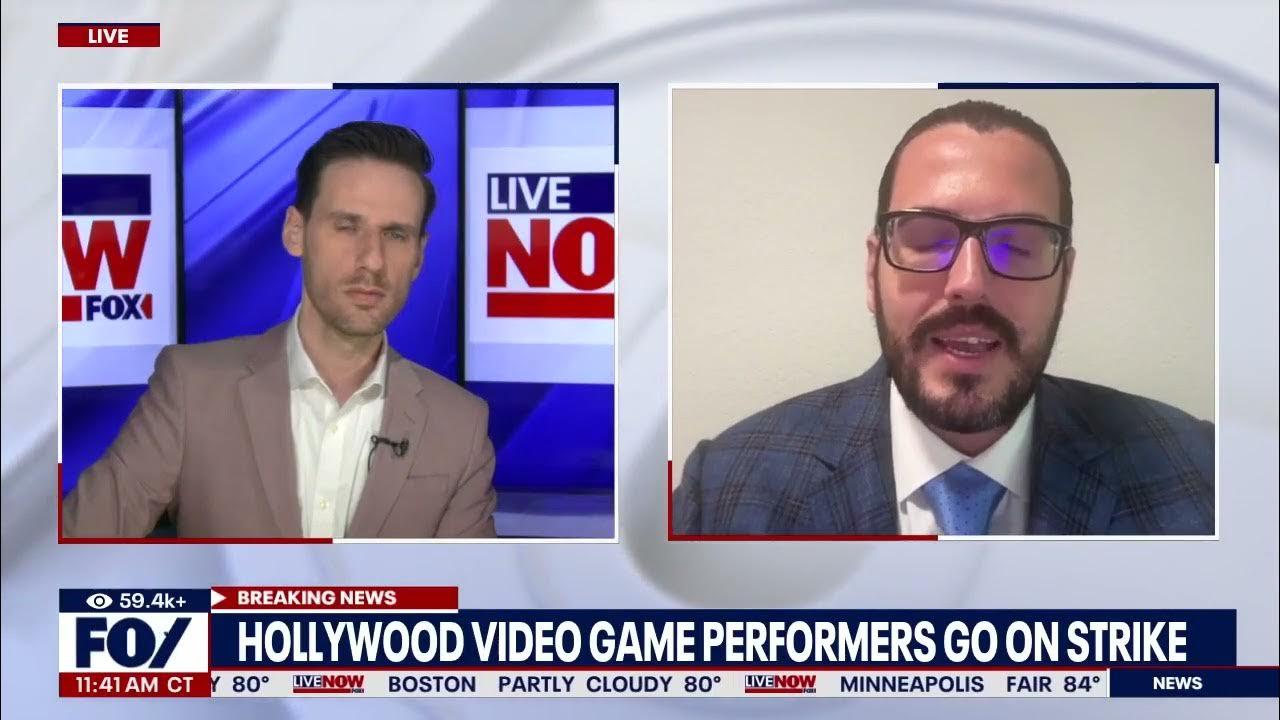

In the ever-evolving entertainment industry, the intersection of technology and creativity has become a battleground for rights and recognition. The recent protests by video game voice actors highlight a crucial moment in this ongoing struggle as industry leaders and performers grapple with the impact of artificial intelligence on their work. A thought-provoking YouTube video featuring experts and insiders delves into the heart of this labor dispute, shedding light on the pressing issues surrounding AI technologies that can imitate performers’ voices and appearances without their permission or fair compensation. With negotiations between the Screen Actors Guild and major studios like Activision, Warner Brothers, and Disney at a standstill after 18 months of talks, the stakes have never been higher for those who breathe life into our favorite video game characters. Let’s explore the complexities of this matter, the battle for intellectual property rights, and the implications for the future of video gaming and its performers.
The Impact of the Strike on the Video Game Industry
The recent strike by video game actors represents a significant shift in the industry, underscoring the growing overlap between entertainment and technology. As studios grapple with the integration of artificial intelligence into their production processes, there are profound implications for voice actors and motion capture performers. The crux of the dispute revolves around the potential misuse of actors’ likenesses and voices, which AI can now replicate without their consent or fair compensation. This raises crucial questions about ownership in a digital age where assets can be easily created, potentially eroding personal and artistic rights for performers.
Furthermore, the strike emphasizes the need for clear industry standards that protect performers from exploitation in the absence of adequate contractual safeguards. As unions like SAG-AFTRA push for these protections, the industry may witness a shift in how talent is managed and compensated in the era of generative AI. Several key outcomes are likely to arise from this situation:
- Reevaluation of Contracts: Existing contracts may need significant revisions to include clauses related to AI that prioritize performer rights.
- Increased Industry Scrutiny: Game developers may face heightened public scrutiny regarding ethical practices linked to AI.
- Potential Production Delays: Ongoing strikes could result in delays in game development and releases, impacting both studios and consumers.
Exploring the Concerns Around Artificial Intelligence in Performance
The concerns surrounding artificial intelligence in performance art, particularly in video games, have escalated into a major labor dispute. Performers are apprehensive that AI technologies could replicate their unique voices and likenesses without consent, creating a scenario where game studios exploit this content without offering fair compensation. Unions advocating for these artists argue that current contracts do not adequately safeguard their intellectual property, allowing studios to retain ownership of any content generated through AI. This mounting concern reflects a broader existential threat that could fundamentally alter the dynamic between performers and the industry.
The ongoing negotiations over AI protections underscore the need for clear and comprehensive safeguards in contracts. Understanding the impact of generative AI on voice and motion capture work is crucial, as artists fear being reduced to mere data points in a corporate machine. Unions are pushing for changes that would ensure performers retain rights over their likenesses and voices, stressing the importance of fair compensation for any use of such content. As the strike persists, the clash between preserving artistic integrity and the rapid technological advancements remains at the forefront of discussions within Hollywood and beyond.
Charting the Future of Actor Rights and Digital Likeness
The recent strike by video game actors highlights the urgent necessity for comprehensive safeguards concerning artificial intelligence in creative industries. As the lines between digital and real-life representations blur, performers are increasingly concerned about how their likenesses and voices can be replicated without consent or fair compensation. Many actors argue that current contracts with major game studios inadequately protect their rights, allowing studios to claim ownership of the content produced through AI. This implies that unique talents could be reduced to mere data points, devoid of the recognition they deserve for their performances.
The Screen Actors Guild and the American Federation of Television and Radio Artists are advocating for a future where actor rights are not just acknowledged but enforced. Key points in their negotiations focus on the necessity of:
- AI Oversight: Establishing stringent guidelines for AI usage.
- Consent: Ensuring actors retain control over their likeness and voice.
- Fair Compensation: Securing royalties for any AI-generated content utilizing their talents.
As discussions continue amidst the strike, the fate of actor rights hangs in the balance, raising crucial questions about intellectual property and innovation in digital landscapes.
Strategies for Ensuring Fair Compensation and Consent
To create a more equitable environment for video game actors, it is crucial to establish clear contractual agreements that prioritize actor consent and fair compensation. Studios must collaborate with representatives from the Screen Actors Guild and other relevant unions to draft comprehensive contracts that explicitly outline the use of performers’ voices and likenesses, especially concerning the implications of artificial intelligence. This includes provisions that ensure actors have a say in how their likenesses are utilized in AI-generated content, alongside mechanisms for monetary compensation tailored to such usage. Additionally, studios should promote transparency around the deployment of AI tools, enabling performers to fully understand the terms of their engagement and protect their intellectual property rights.
Furthermore, ongoing education and advocacy play a vital role in helping performers comprehend their rights regarding AI and digital likenesses. Unions should offer resources to ensure actors can navigate their contracts effectively and advocate for amendments that safeguard their interests. Regular workshops and informational sessions focusing on the evolving role of AI in the gaming industry can empower actors to voice their concerns and demands confidently.